


After 25 years in the Australian RV industry, the story behind ALPINE Campers is not one of overnight success. It is a journey defined by product innovation, market shifts, hard-earned resilience, and a clear focus on building campers that make it easier for Australians to travel further—comfortably, confidently, and with genuine off-grid capability.

It Started on the Road (2000)
The foundations of ALPINE trace back to 2000, after Brian spent 12 months travelling Australia in a 23ft caravan with his young family. Like many of the best product ideas, the insight didn’t come from a showroom floor—it came from living the experience.
Brian recognised a gap in the market: people wanted campers that were easy to tow and could go where the car could go, without compromising comfort or practicality. He designed and built an early off-road camper solution that was highly featured for its time—and that first build became the launch point for Johnno’s Campers.
The business started as a hire model, renting the camper out when it wasn’t being used. Demand grew quickly, expanding into a fleet of hire units. Recognising the opportunity beyond a single region, the model was franchised, scaling rapidly and becoming Australia’s largest hire fleet of campers at the time.

Product-First Thinking: Elite Campers and Lightweight Touring
In 2003, Johnno’s Campers was sold, while retaining a distinctive design built to be towed behind motorbikes. That product became the foundation for Elite Campers—engineered to be extremely lightweight while still delivering practical touring features such as ample storage and a queen-bed configuration when opened.
Elite’s early years were highly competitive, but through persistence and continuous refinement, the brand became widely recognised and established a leadership position within its category.


Growth, Pressure, and the Lessons That Last (2010)
After many successful years, the next chapter moved into motorhome hire, operating a 6-berth fleet along the east coast. Like many tourism-adjacent businesses, the Global Financial Crisis in 2010 created major disruption and pressure across the industry.
That period shaped a long-term principle that continues to guide ALPINE today: when conditions tighten, fundamentals matter most—protect customer trust, maintain supplier relationships, and run the business with discipline so you can keep building when others cannot.

Altitude Campers and the Lead-Up to the Hybrid Era (2013)
In 2013, Brian returned to manufacturing and product development with Altitude Campers. Customer expectations were evolving quickly—kitchens were becoming more sophisticated, electrical systems were emerging as a major buying factor, and comfort and convenience were increasingly expected alongside off-road capability.

Altitude manufactured multiple camper styles including soft-floor, rear-fold hard-floor, and forward-fold models. But the market continued to move—and then came the category shift that changed everything.


The Hybrid Revolution and the Creation of ALPINE (2019)
Hybrid campers redefined the segment. They appealed to first-time towers and experienced travellers alike by combining easier towing and setup with features people genuinely wanted—particularly internal ensuites and external slide kitchens that supported outdoor cooking and living.
As the hybrid market grew, so did competition from imported models. To sharpen focus and protect long-term quality standards, the business made a defining move in 2019:
ALPINE Campers was established as a dedicated brand and operation, focused on building hybrids to controlled design standards and consistent quality.

COVID Demand and the Supply Chain Challenge (2020–2022)
From 2020, the RV market experienced unprecedented demand through COVID. While sales surged, supply chains tightened, parts became harder to source, and logistics costs increased sharply—forcing manufacturers to rethink production planning, inventory management, and customer lead-time expectations.
ALPINE responded by refining operations and positioning the business for long-term sustainability beyond the COVID cycle.
Consolidation, Manufacturing Evolution, and the ALPINE Standard (2022–2025)
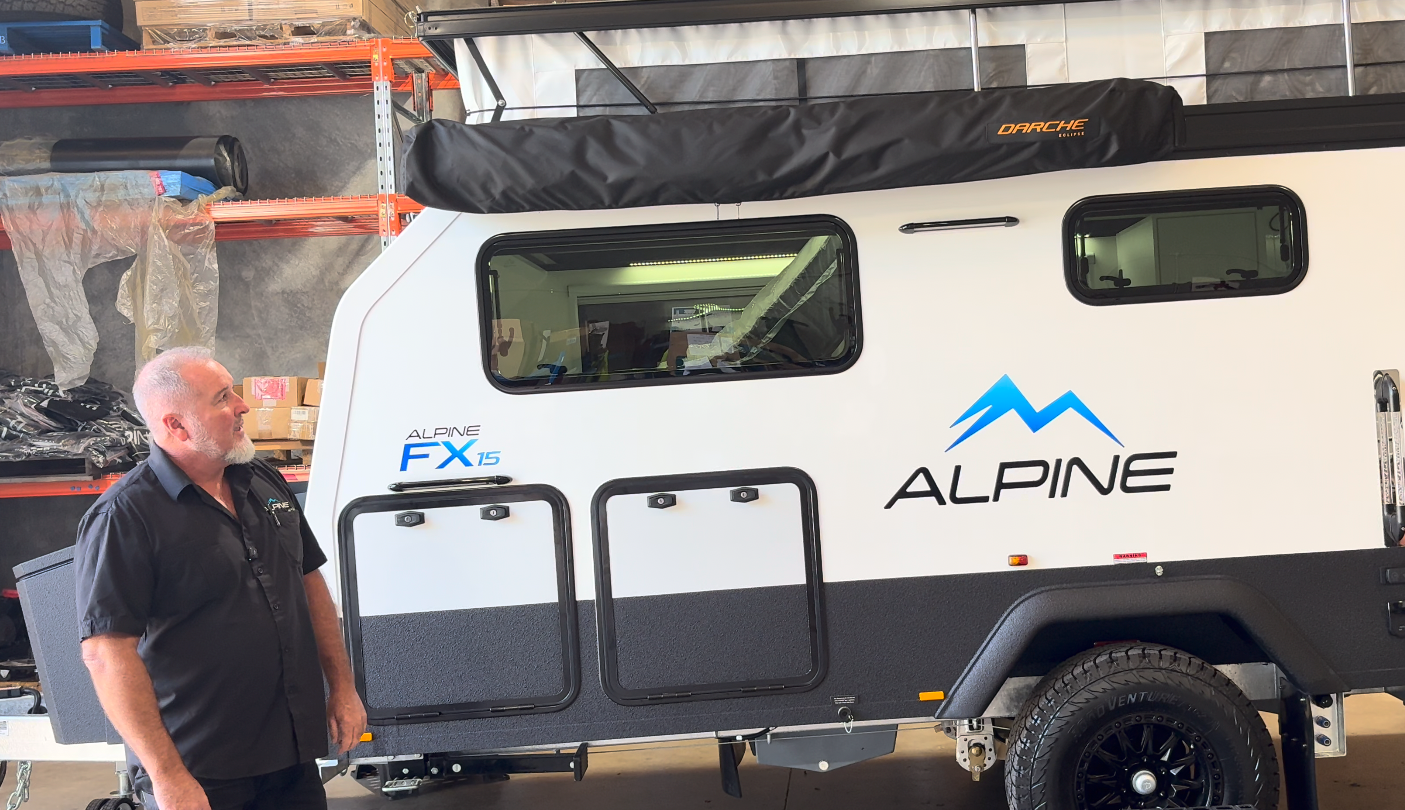
As the market normalised from 2022 onwards, operational discipline became essential. ALPINE consolidated facilities into its Kunda Park factory and showroom on the Sunshine Coast, strengthening the manufacturing base and customer experience under one roof.
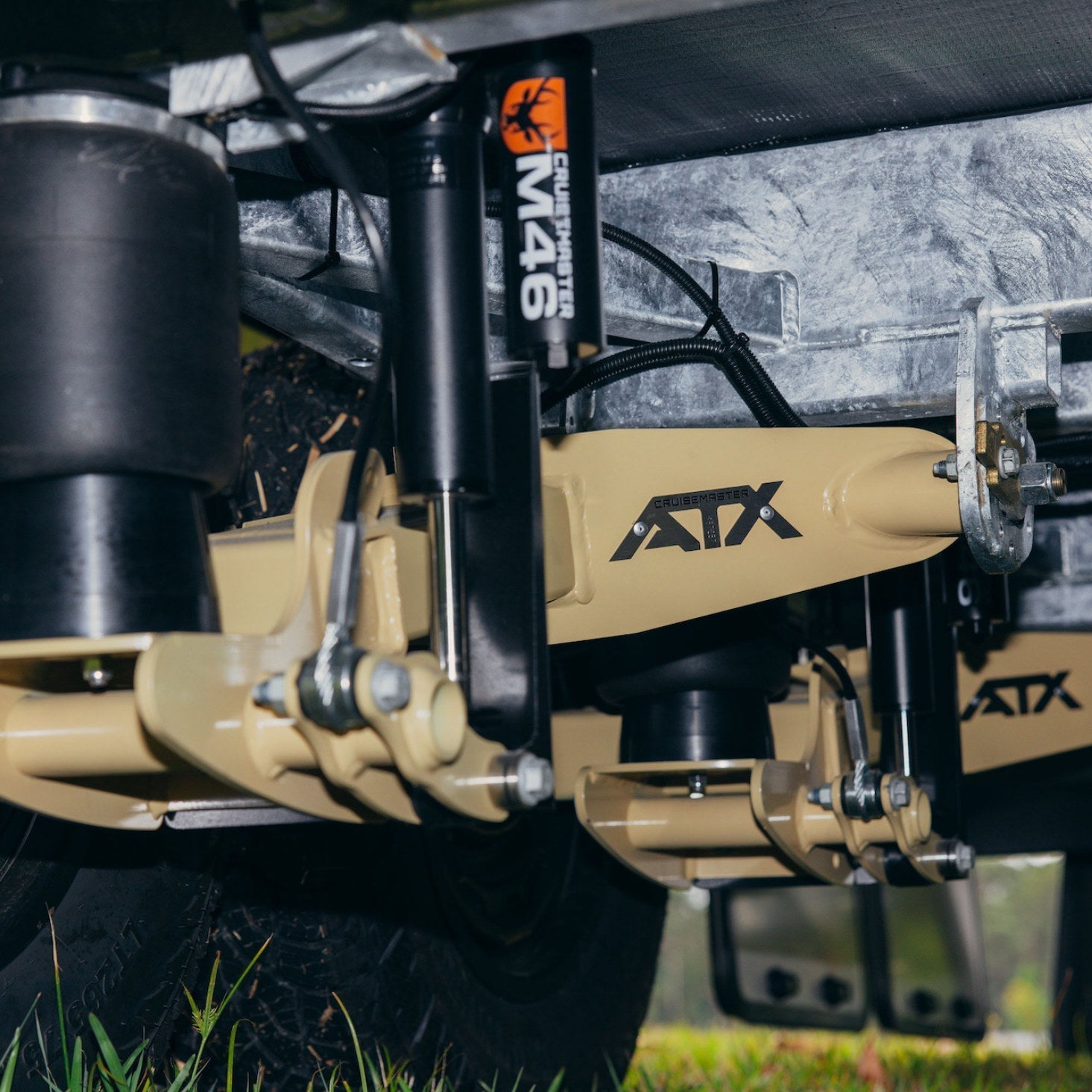
With ongoing cost pressures across Australian manufacturing, ALPINE implemented a refined build model designed to protect quality while improving scalability: key stages of production are completed to ALPINE’s specifications under engineering oversight, while final completion—including suspension, electrics, plumbing, gas and 240V systems—is carried out in-house on the Sunshine Coast with strict quality control checks.
For customers seeking a fully Australian-built unit, ALPINE continues to offer this as a custom build option.

2026: A New Era of Growth
In 2026, ALPINE enters its next stage with confidence:
-
25 years of experience guiding product development and manufacturing decisions
-
New 18 and 19ft models and limited editions
-
Expansion of ALPINE’s national footprint, including a Victoria showroom opening in early March, with further growth planned
Throughout every stage of the journey, the mission has stayed consistent: build campers that make the off-road lifestyle easier to access—combining capability, comfort, and design-led practicality, backed by real-world experience and a team that understands what it takes to deliver.
With Brian’s long-term product vision and Carolyn’s role in strengthening business operations and marketing consistency, ALPINE is now positioned to build not just more campers—but a stronger national presence for the next decade.

ALPINE Campers — 25 years in the making, and built for what comes next.
Share: